

RESEARCH CORNER
Norseman has become a Mecca for field
research. This is why, every year close to a dozen researchers pack their bags, cases and trailers full of syringes, probes, scanners and big machines that goes “ping”.
They then relocate to Eidfjord and Gaustablikk. Here the the Norseman participants have proven to be both willing and engaged test subjects.
The Research Corner aims to be a source of information about the ongoing projects.
It will also be place for our researchers to share stuff that they find relevant and interesting for the endurance athlete.
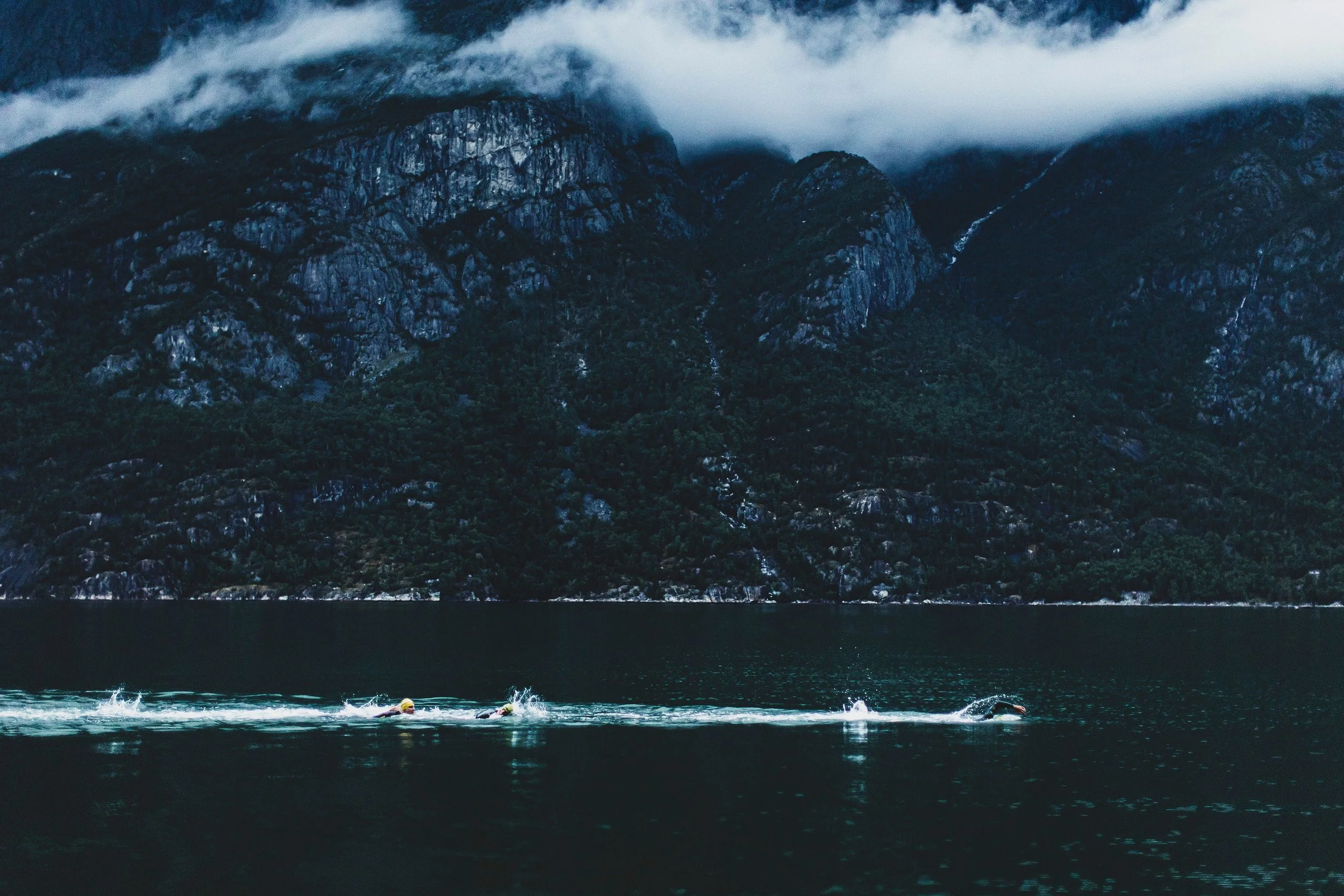
Cold water swimming: is it dangerous?
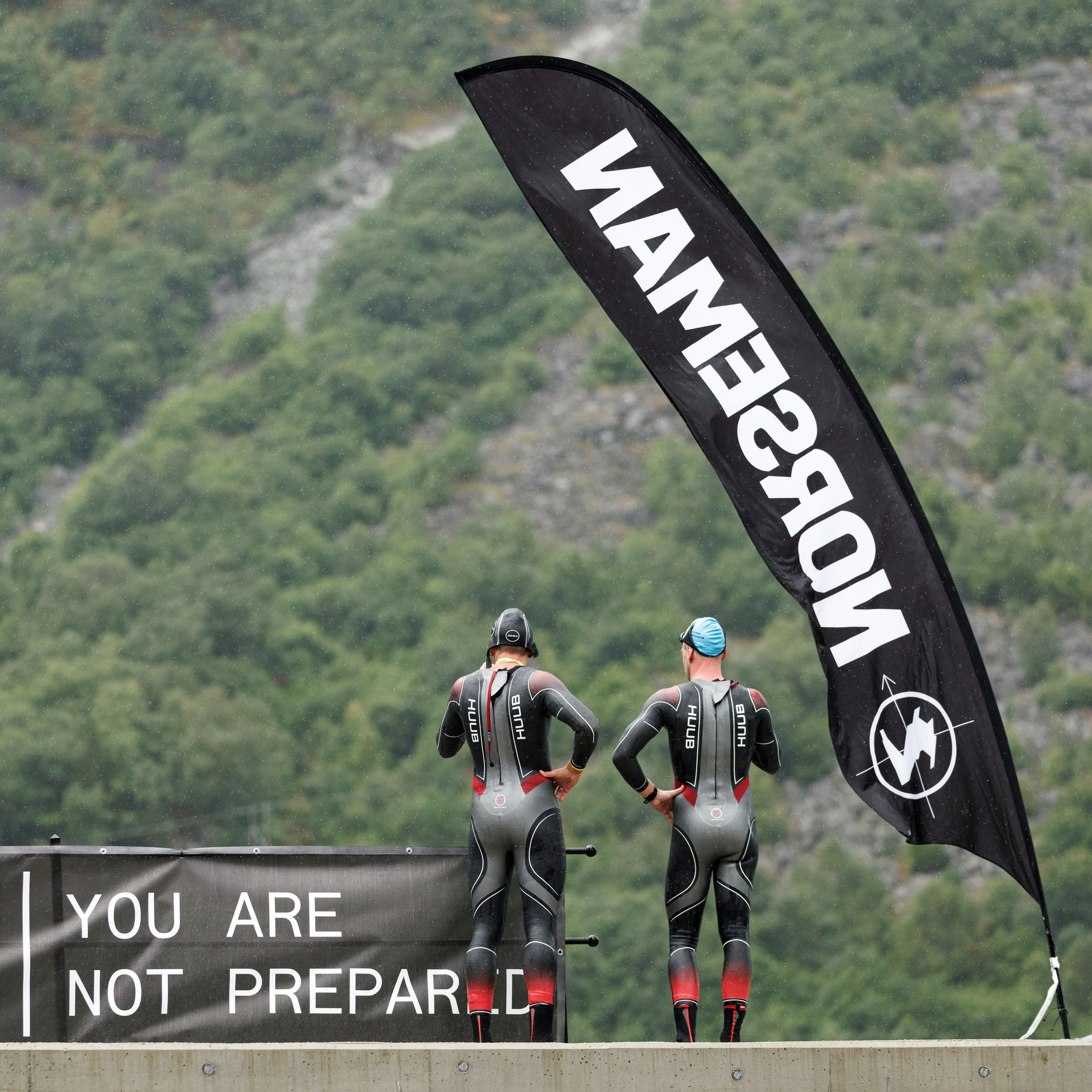
Seven lessons from a PhD on cold-water swimming – and what they mean for you on race morning in the Hardangerfjord.
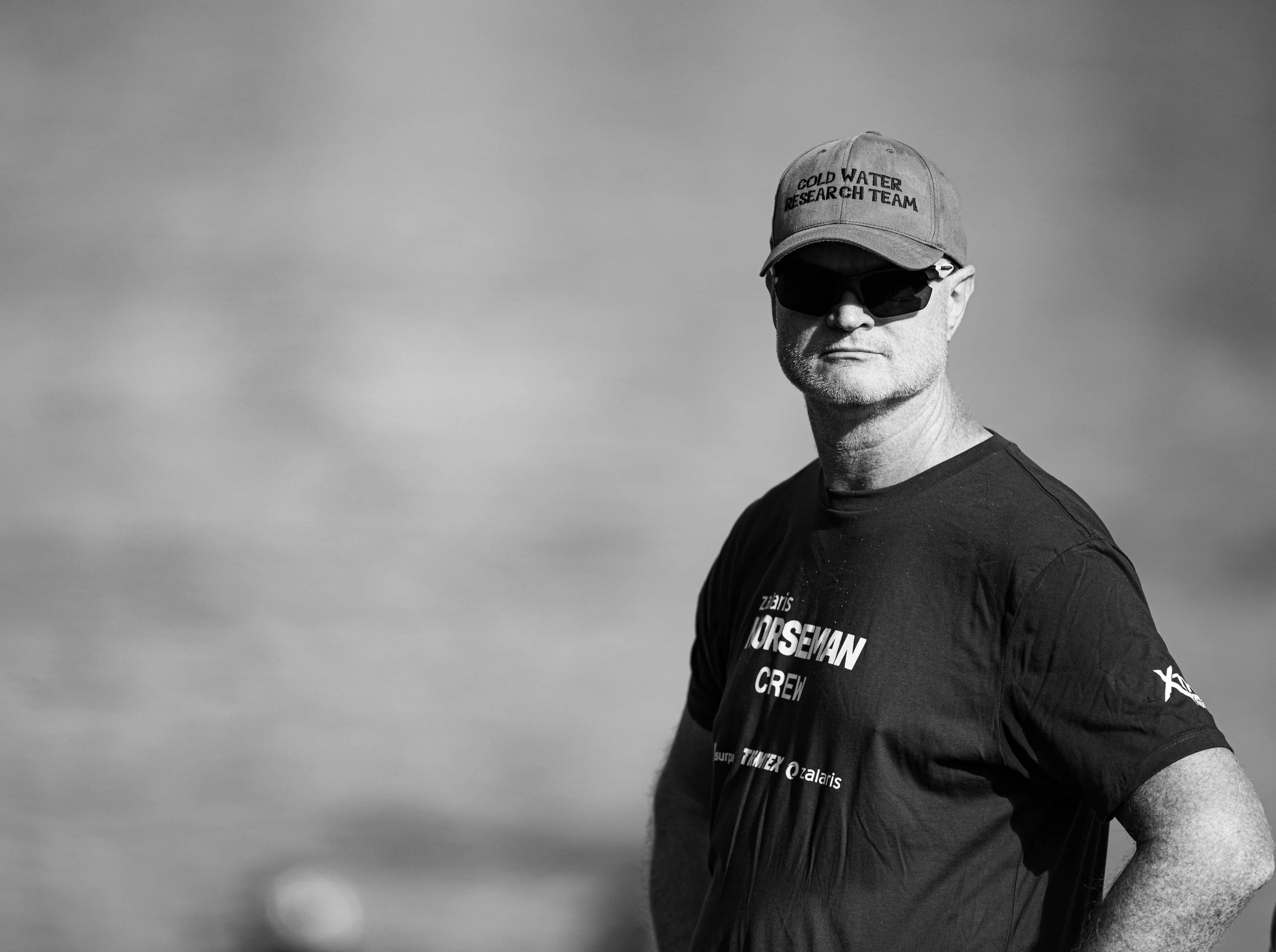
Dr Melau, I presume
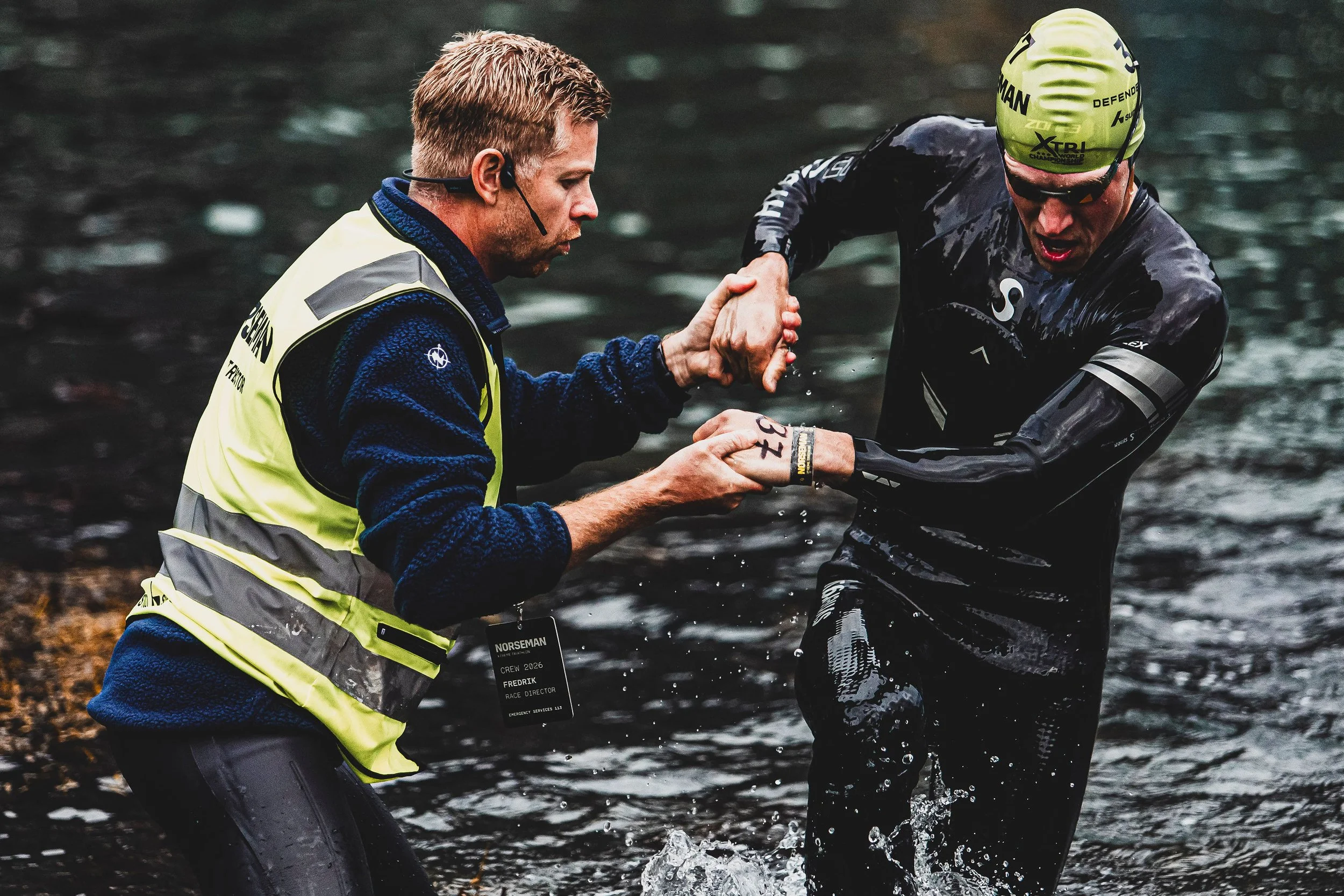
In 2015 our safety director stood on the shore in Eidfjord wondering if 10°C water was safe. In 2022 he defended his PhD on the question.
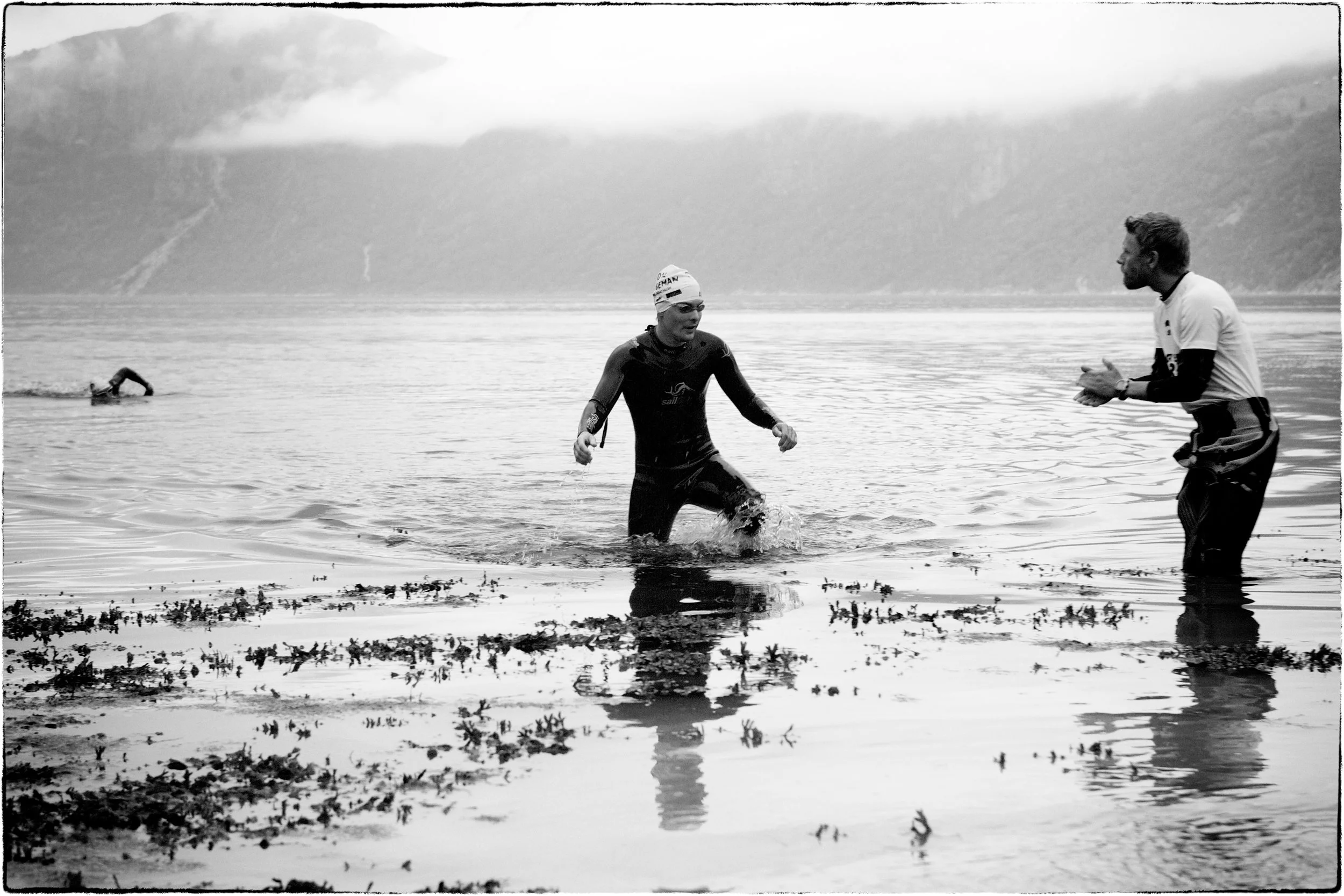
Do you really get cold when swimming?
Three years of core temperature data from the Norseman swim: most athletes stayed warm enough – but not all, and many could not tell how cold they were.
Krill oil and race distance
Choline levels drop during long endurance races. We tested whether krill oil could prevent it – at Norseman and at Oslo Triathlon.
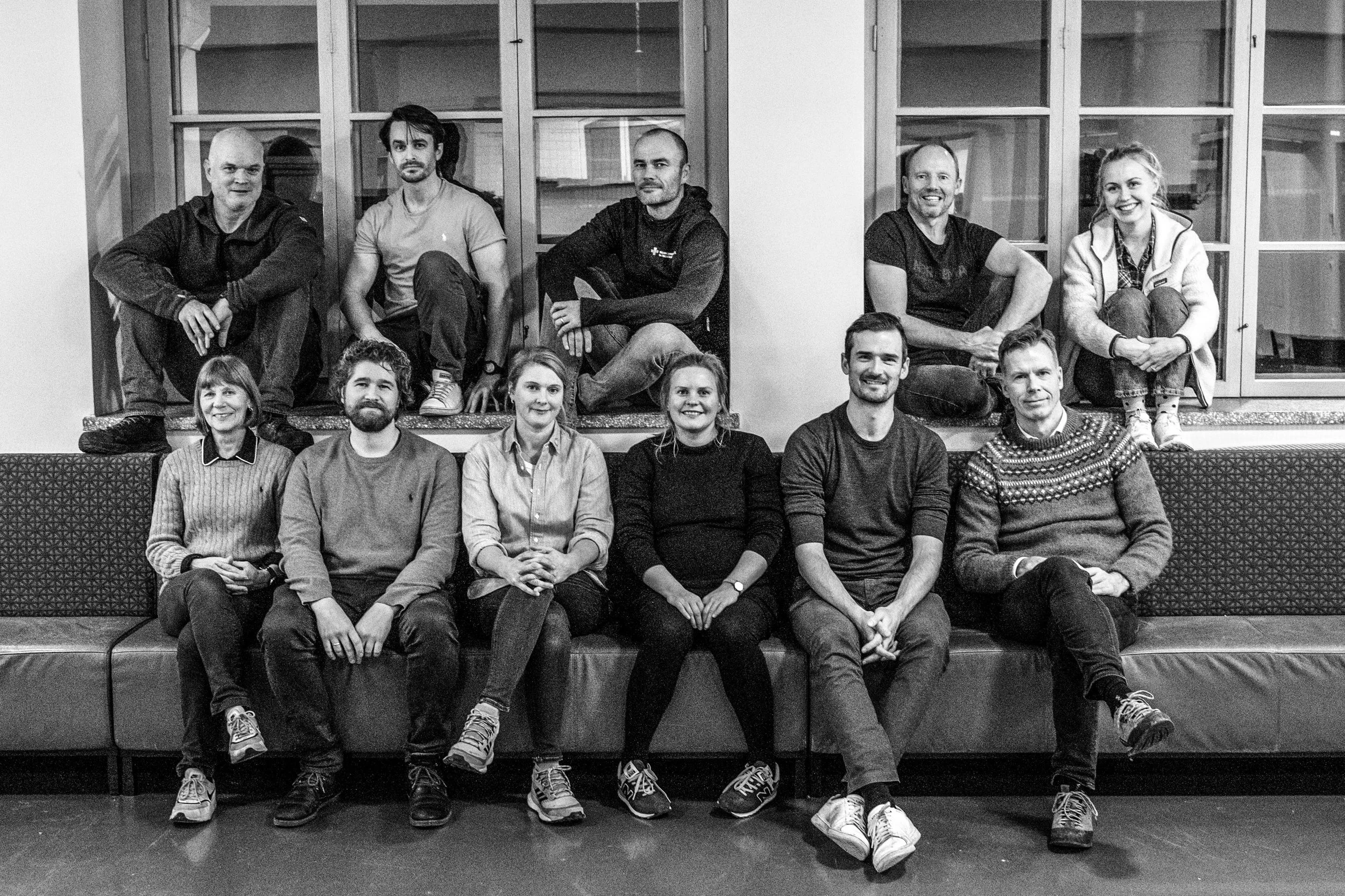
From the archive: Norseman Endurance Science Seminar 2020
In November 2020 we gathered researchers from several countries for a free online seminar. The talks are still worth watching.
Post-race lung function
Our first paper with data collected during the race itself: how Norseman affects your lungs.
Body response to Norseman
Exercise is good for you. But what happens in the body after an extreme day like Norseman – and is it harmful?
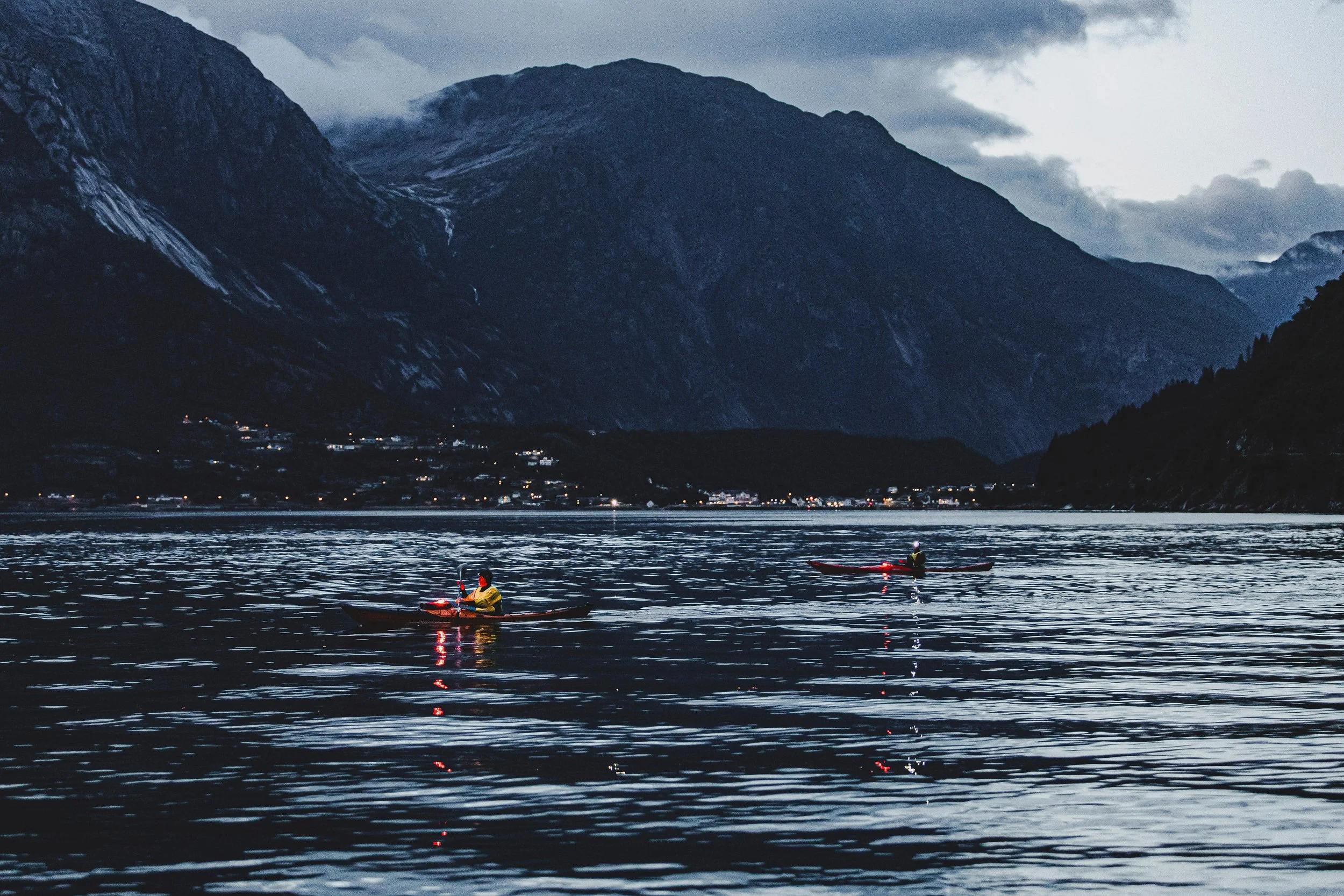
The cold beginning
How a cold fjord, one temperature pill and a test swim in 2015 turned Norseman into a hub for field research.
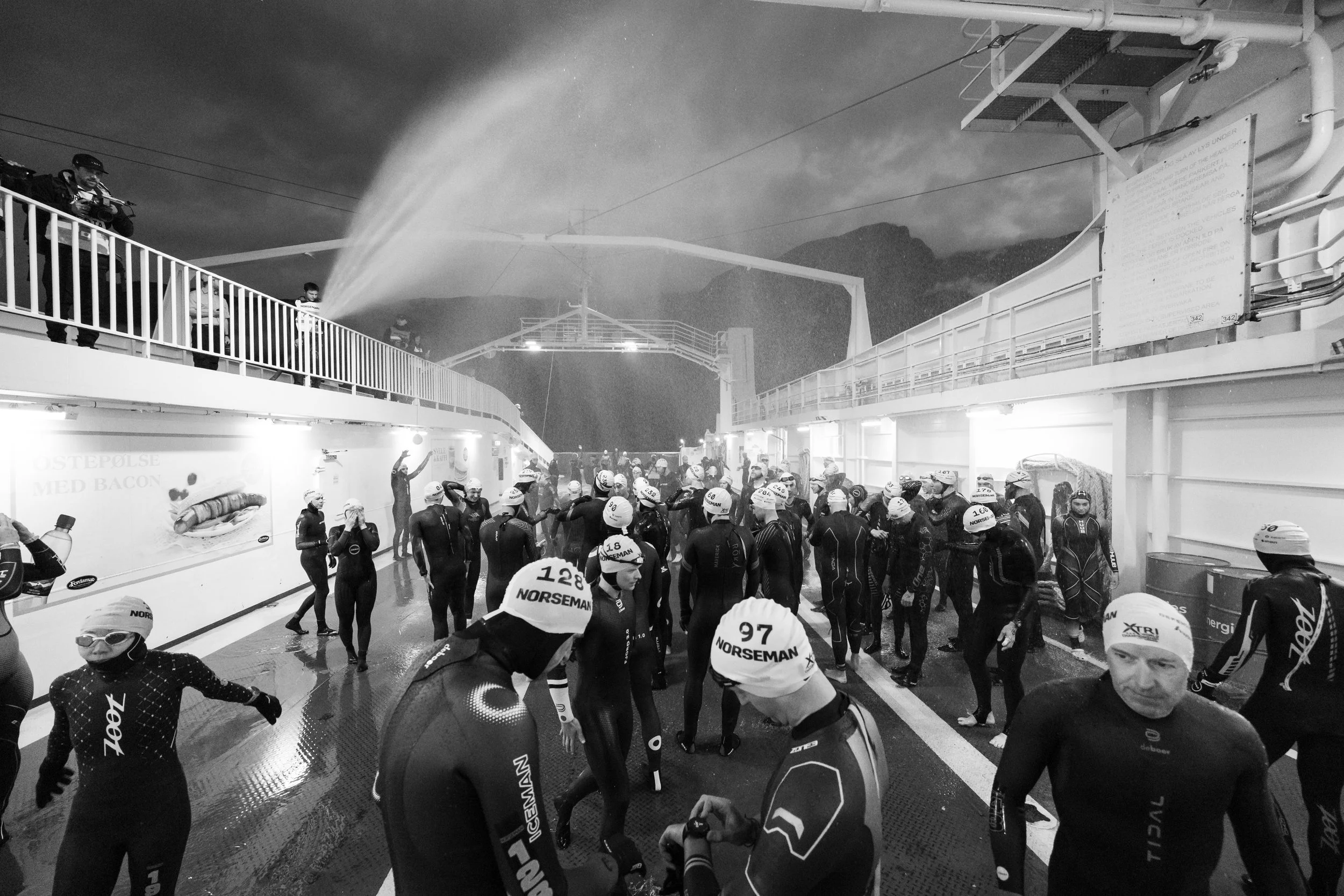
Spray and pray?
Why do we spray every athlete with cold seawater before the jump from the ferry? The photos are a bonus. The real reason is your heart.
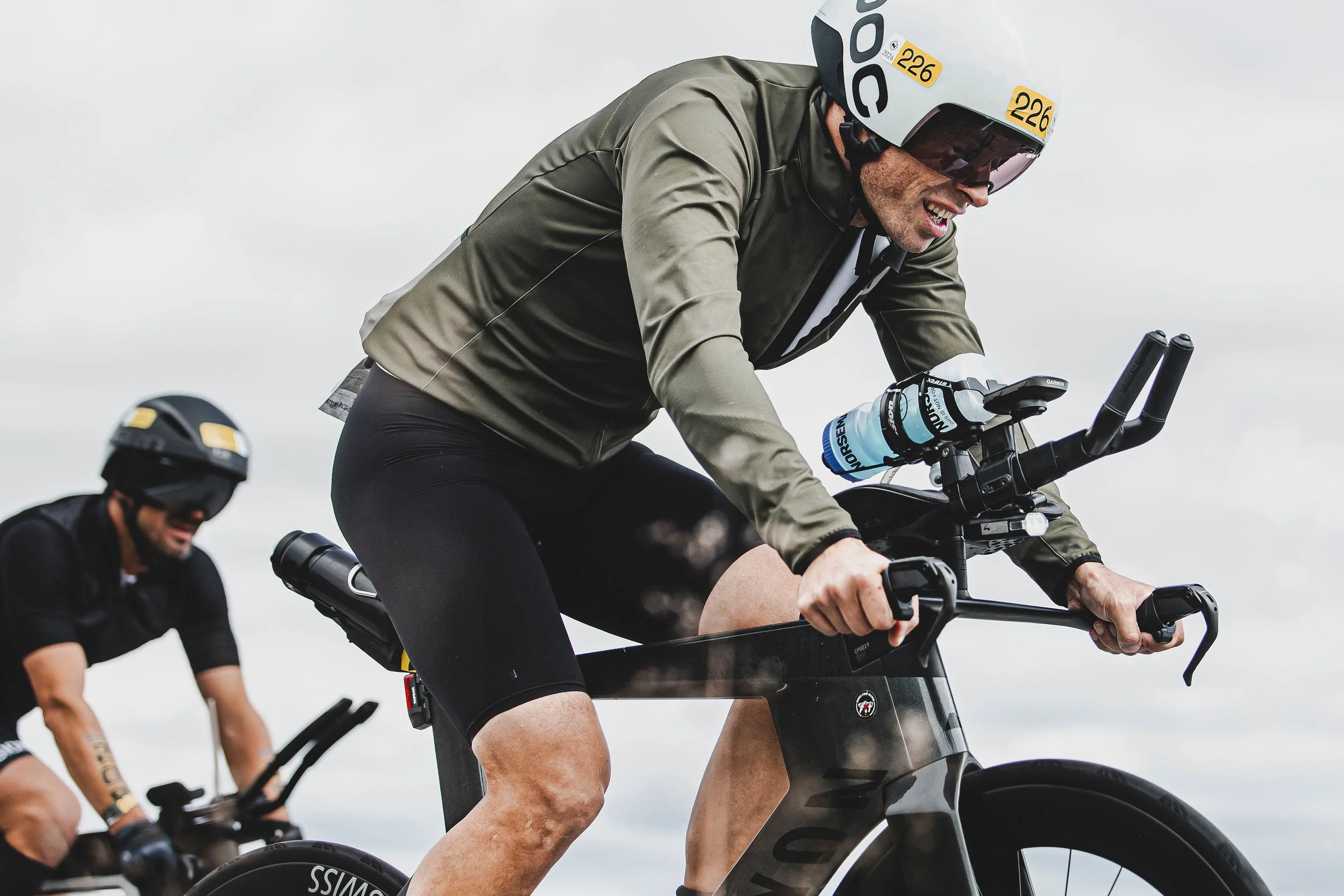
High-intensity interval training for Norseman?
Norseman is raced well below threshold. So why would short, hard intervals belong in your training plan?
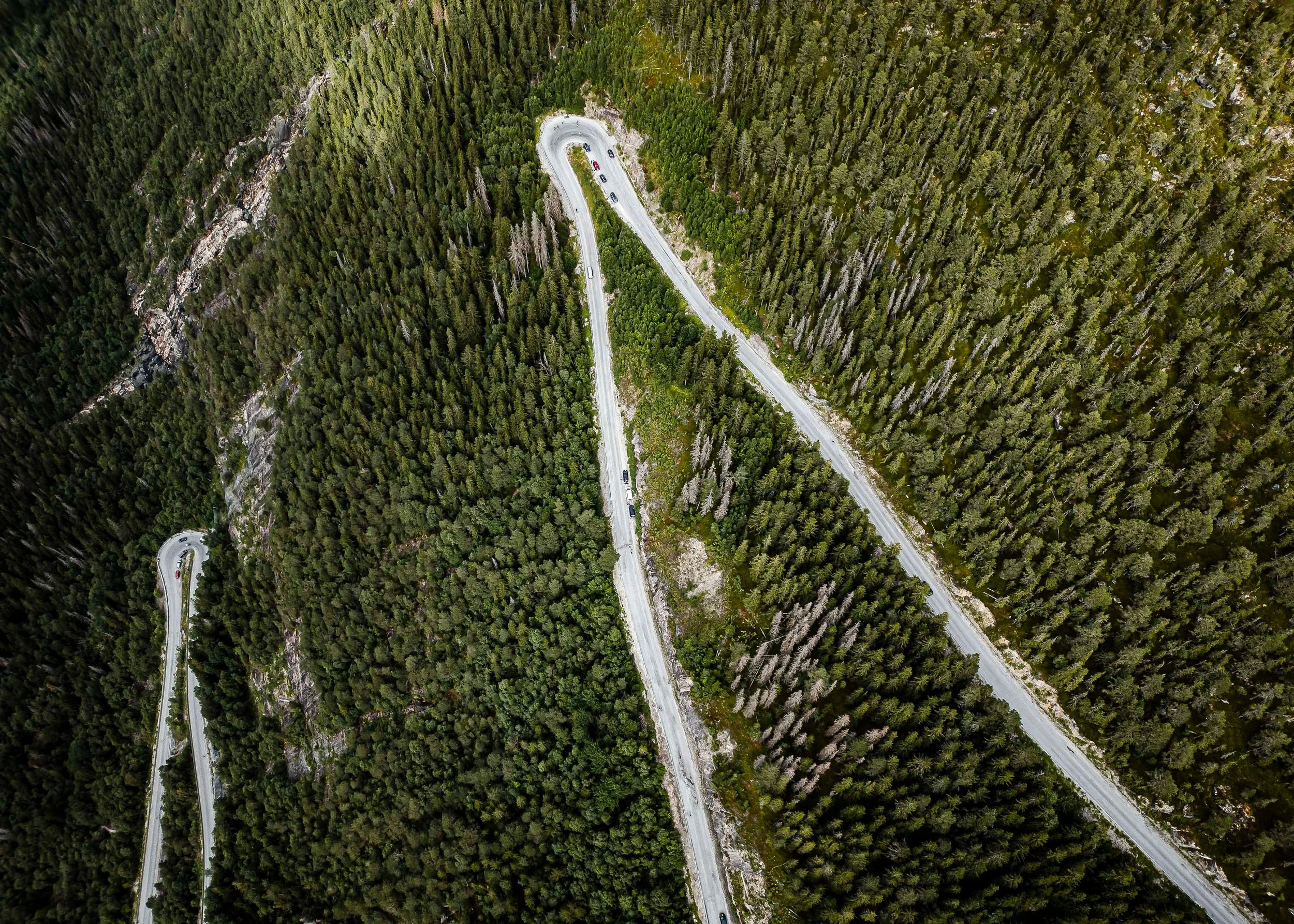
Drones to the rescue
Drones give us spectacular race films. Could they also make extreme triathlon safer?
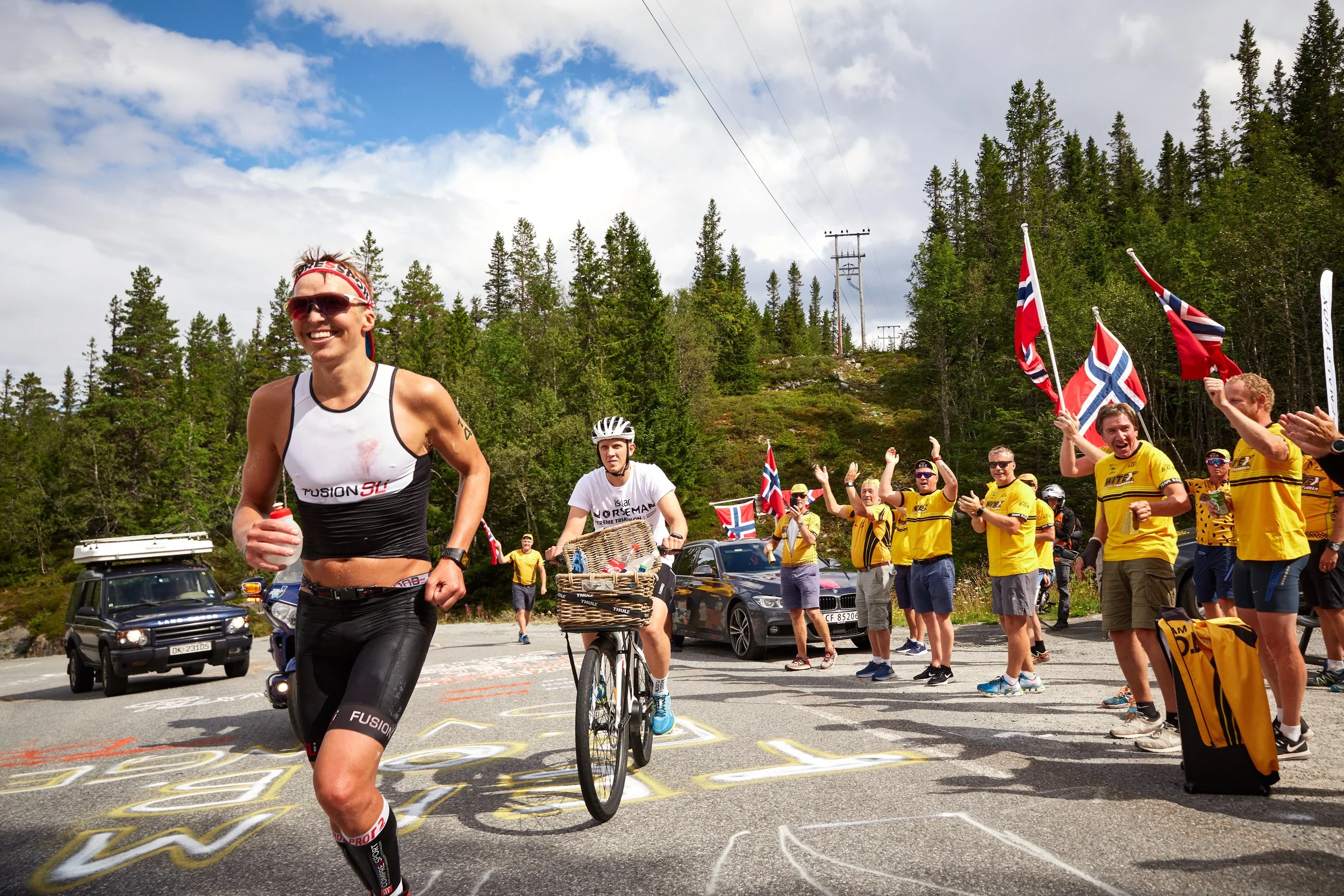
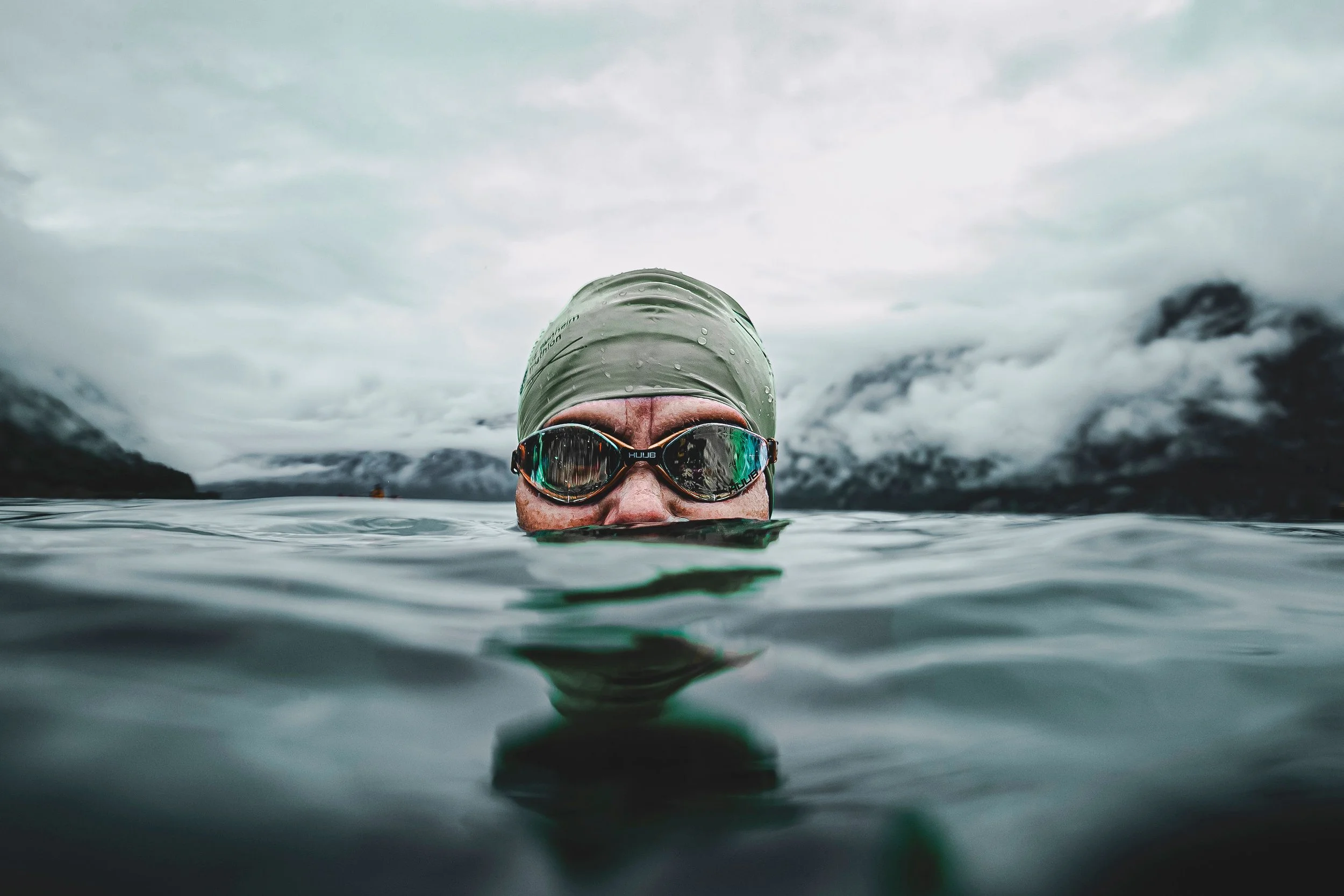
What’s the temperature?
“How cold will the water be this year?” is the question we hear most. Here is how we measure water and air temperature – and why a single number never tells the whole story.
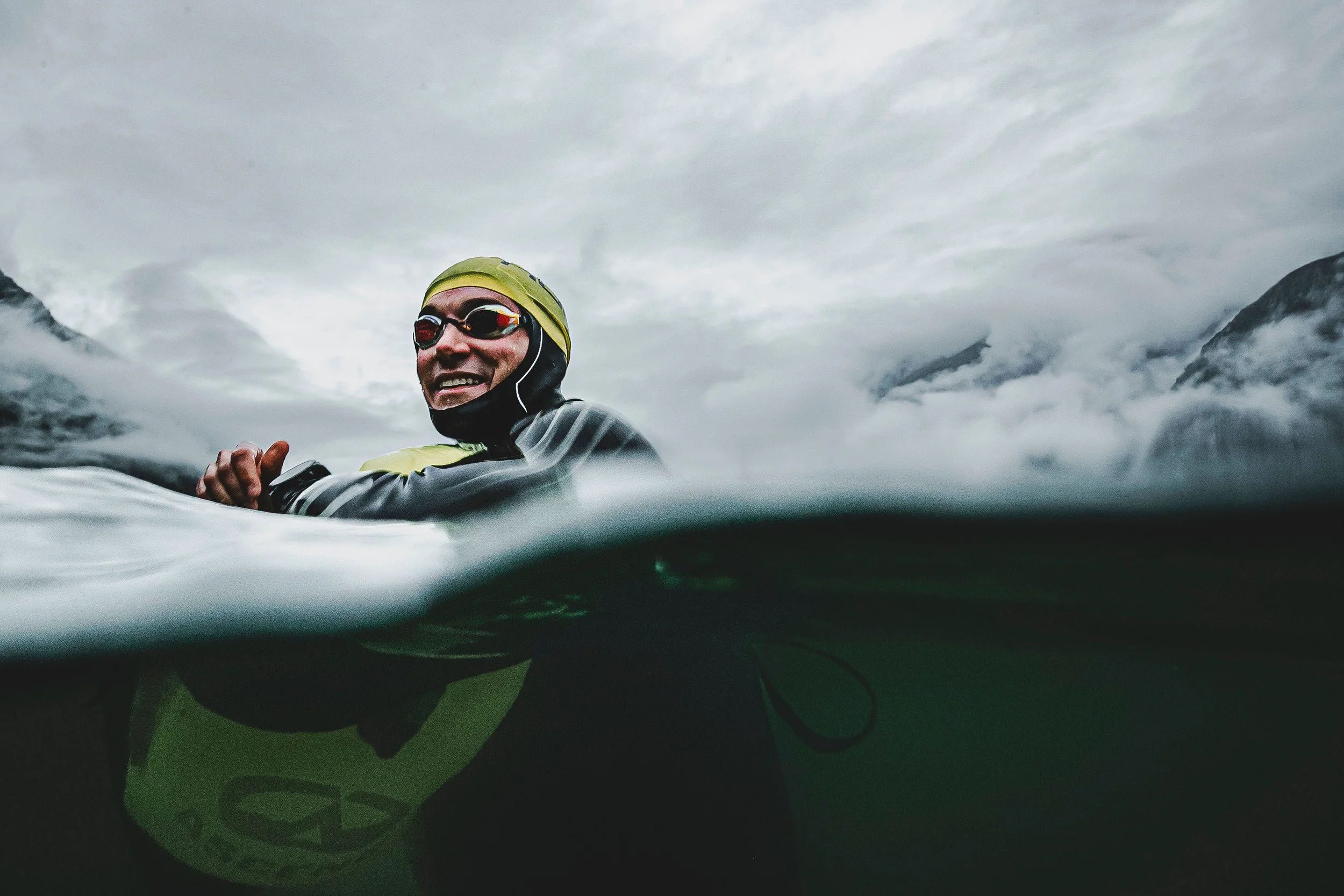
What is SIPE?
Swimming-induced pulmonary edema is rare, but it can be serious. We published three cases from Norseman – and they showed up much later in the race than expected.
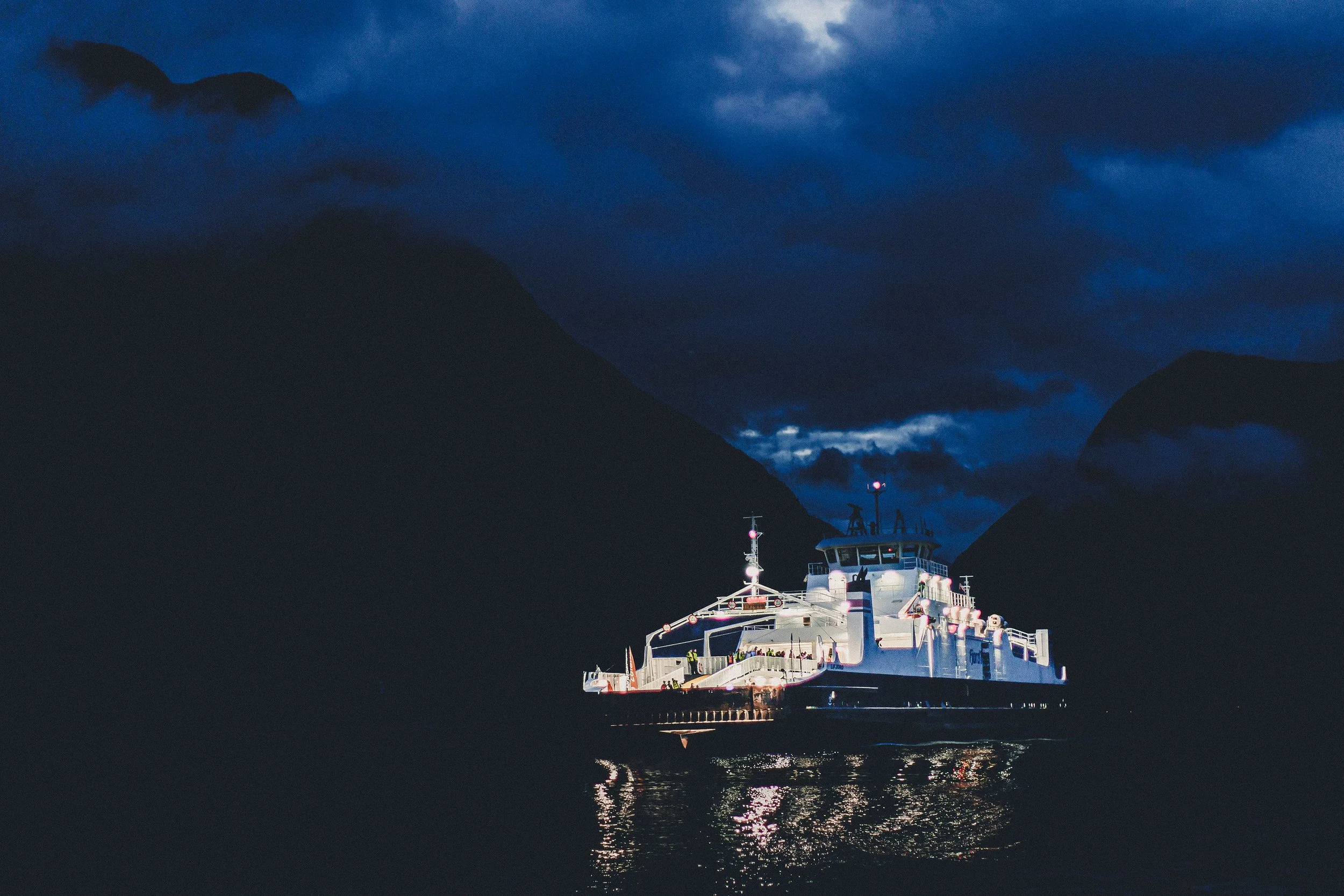
When is cold too cold?
In 2015 the Hardangerfjord measured 10°C days before the race. That question became our first study: how long can a triathlete in a wetsuit stay in 10°C water before it gets dangerous?